
Understanding the Psychology of Bluffing
At its core, bluffing is as much about psychology as it is about the cards in play. Players must not only consider their own hand but also gauge the reactions and states of mind of their opponents. Understanding how opponents perceive risk and evaluate potential outcomes can make a significant difference, especially when engaging in crypto betting where the stakes are high. For instance, if an opponent is overly cautious, a bluff may be more likely to succeed. Knowing these psychological cues gives a player an edge in the game.
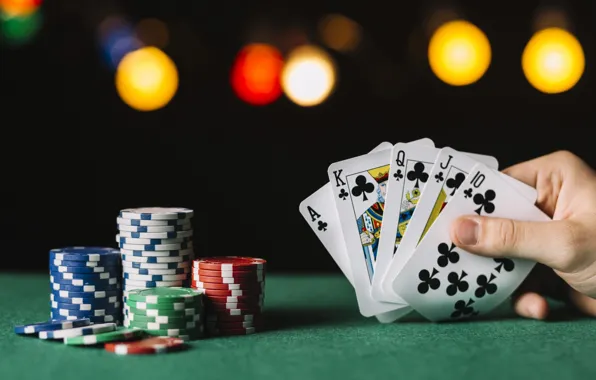
Moreover, effective bluffing requires an understanding of the game dynamics. A player must analyze the betting patterns and behaviors of their opponents in various situations. If a player has been betting aggressively, a sudden check or minimal bet can signal confidence in a strong hand, providing an opportunity for a successful bluff. The key lies in the ability to read the room and adjust one’s strategy accordingly, which can lead to significant wins over time.
Lastly, the emotional aspect of bluffing cannot be underestimated. Experienced players often rely on their intuition and emotional control when executing a bluff. They must maintain composure, even when their opponents are trying to read them. This psychological fortitude allows players to create a convincing narrative around their bluff, making it more likely that others will fold, giving them a crucial advantage in the game.
Choosing the Right Moment to Bluff
Timing is everything in poker, especially when it comes to bluffing. One of the most critical factors in executing a successful bluff is selecting the appropriate moment. Players should consider the stage of the game and the current pot size. Bluffing in the early stages may be less effective than in later rounds when the stakes are higher. As bets increase, players may be more emotionally invested, making them more susceptible to believing a well-timed bluff.
Additionally, situational context plays a vital role in determining the success of a bluff. Players should evaluate factors such as table position, the strength of their hand, and the perceived authority of their betting pattern. A player in an early position attempting to bluff may face more scrutiny than one in a late position who can benefit from observing how others react. Therefore, picking the right moment often involves a combination of strategic positioning and an acute awareness of the ongoing game dynamics.
Another element to consider is the overall atmosphere at the table. If the players are aggressive and firing bets often, a carefully timed bluff can serve to disrupt their rhythm. Conversely, during a passive game where players are more inclined to call, bluffing can be a more challenging endeavor. Being attuned to the mood at the table and adjusting one’s approach accordingly is crucial for executing successful bluffs.
The Techniques behind a Successful Bluff
Implementing effective bluffing techniques requires a blend of strategy, observation, and psychological manipulation. One essential technique is the semi-bluff, where a player bets with a hand that might improve on subsequent rounds. This tactic allows for flexibility; if the bluff is called, the player still has a chance to win if they hit a favorable card. Semi-bluffing makes opponents think twice about their decisions, as they may fear that the hand could turn into a winning one.
Another valuable technique is the “image” bluff, where a player capitalizes on their established table persona. If a player has been perceived as conservative and suddenly starts betting aggressively, opponents may be more inclined to fold due to the belief that they likely hold a strong hand. Building up a reputation can aid in creating a narrative that makes bluffs more believable. This technique demands patience and consistency to ensure that the image remains intact.
Finally, the “table talk” method can also enhance bluffing success. Engaging in light conversation or asking questions during a crucial moment can distract opponents, allowing players to project confidence. When opponents are preoccupied either with their responses or their own thoughts about the game, they may overlook key signals indicating a bluff. This subtle interplay of communication and psychology can turn the tide in a player’s favor, leading to more successful bluffs.
Common Mistakes to Avoid when Bluffing
Despite the various techniques available, many players fall into traps that undermine their bluffing efforts. One common mistake is over-bluffing, where players attempt to bluff too often, leading to predictability. Once opponents catch on, they will be less likely to fold, making subsequent bluffs ineffective. It is crucial to maintain a balance and choose spots wisely to preserve the element of surprise that makes bluffing successful.
Another pitfall is failing to consider the strength of opponents’ hands. A seasoned player will often identify when an opponent is likely to call a bluff based on visible card interactions and betting behavior. Bluffing against a player who is known to play with high confidence can lead to significant losses. Players should assess their opponents’ tendencies and determine if the risk of bluffing outweighs the potential rewards.
Additionally, neglecting to control emotions can damage a player’s ability to bluff effectively. Emotional reactions such as frustration or excitement can give away a bluff, making it easier for opponents to read the situation. Staying composed and ensuring that body language remains neutral is essential for executing a successful bluff. Players should practice emotional regulation techniques to enhance their bluffing strategies and overall game performance.
Enhancing Your Bluffing Skills through Practice
Improving bluffing skills is an ongoing process that requires practice and refinement. One effective way to develop these skills is through regular practice sessions, whether at home or in low-stakes games. These environments allow players to experiment with different strategies and receive feedback on their performance. By analyzing outcomes and adjusting approaches based on results, players can build a more robust understanding of when and how to bluff effectively.
Moreover, engaging with fellow players can provide valuable insights. Discussing strategies and sharing experiences can expose players to different perspectives and techniques that they might not have considered. Learning from others allows for greater adaptability and enhances one’s overall game strategy. Watching experienced players at the table can also offer practical examples of successful bluffing in real-time scenarios.
Finally, utilizing online resources and poker training tools can be immensely beneficial. Many platforms provide simulations and educational materials that focus specifically on bluffing techniques and psychological principles. These tools allow players to enhance their skills in a structured way, ensuring that they can improve their bluffing strategies and overall poker game, leading to greater success in both casual and competitive settings.
